Have you ever noticed your furnace shutting down earlier than it should? It can be frustrating and, more importantly, a sign of a potential problem. In this post, we’ll delve into the common issue of furnaces shutting down early, focusing on a culprit that often goes unnoticed: short-cycling. Understanding what short-cycling is and why it’s detrimental is key to maintaining a comfortable and efficient home. We’ll look at short-cycling and help you know when to call for Concord furnace repair from our professionals after recognizing early signs of furnace repair.
What Is Furnace Short-Cycling?
Short-cycling is a phenomenon where your furnace turns on and off more frequently than usual, disrupting its regular heating cycle. A typical furnace cycle involves starting, heating your home to the desired temperature, and then shutting down until the temperature drops again. Short-cycling throws a wrench into this process, leading to increased wear and tear on crucial components.
Why Furnace Short-Cycling Is Bad for Your System
Increased Wear and Tear: One of the major drawbacks of short-cycling is the accelerated wear and tear on your furnace’s components. The constant on-off cycles put undue stress on the system, potentially leading to more frequent breakdowns and the need for costly repairs.
- Reduced Energy Efficiency: Short-cycling is not just hard on your furnace; it’s also hard on your wallet. The frequent starts and stops result in decreased energy efficiency, leading to higher utility bills. In essence, you’re paying more for less warmth.
- Impact on Indoor Comfort and Air Quality: Short-cycling can compromise the comfort of your home. Inconsistent heating may result in certain areas feeling too warm while others remain chilly. Moreover, the disruption in the heating cycle can affect indoor air quality, as the furnace may not have sufficient time to filter and circulate air properly.
Common Reasons a Furnace Keeps Shutting Down Early
- Oversized or Undersized Furnace: The size of your furnace matters. An oversized furnace heats your home quickly but tends to short-cycle, while an undersized one struggles to meet the heating demands, also leading to more frequent cycling. Ensuring the right furnace size for your home is crucial for maintaining an optimal heating cycle.
- Clogged or Dirty Air Filters: Air filters play a vital role in the functioning of your furnace. Neglecting to change or clean them regularly can result in reduced airflow, causing the system to overheat and short-cycle. Make it a habit to inspect and replace your air filters and understand air filter furnace maintenance to keep your furnace running smoothly.
- Faulty Thermostat: Your thermostat serves as the commander-in-chief of your heating system. A malfunctioning thermostat can misread the temperature, causing the furnace to start and stop unnecessarily. Regular calibration and prompt replacement of faulty thermostats can alleviate short-cycling issues.
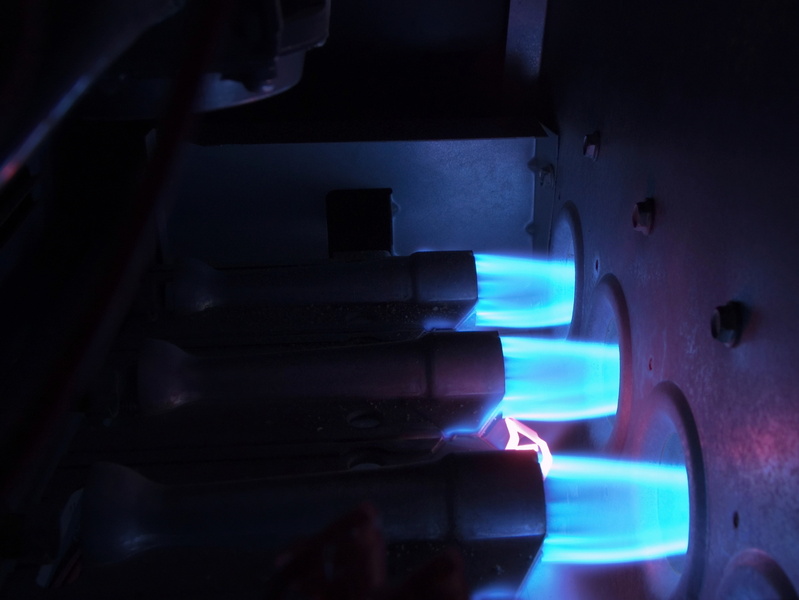
- Issues with the Flame Sensor: The flame sensor is responsible for detecting the presence of a flame. If it’s dirty or malfunctioning, the furnace may interpret it as a safety hazard and shut down prematurely. Cleaning the flame sensor or seeking professional assistance can resolve this issue.
When to Call for Professional Furnace Inspection and Maintenance
To ensure the longevity and efficiency of your furnace, regular professional inspections are a must. Professional technicians can identify and address potential issues before they escalate, helping you avoid the inconvenience and expense of frequent breakdowns by following tips on preventing furnace repair problems this winter.
While professional help is crucial, there are also some steps you can take to address short-cycling on your own, such as regularly changing the air filters and checking the thermostat.
Frequently Asked Questions
Question: What is furnace short cycling and why does it matter?
Answer: Furnace short cycling happens when the system turns on and off repeatedly without completing a full heating cycle. This pattern can make your home uncomfortable and put extra strain on internal components. Over time, the frequent starts and stops can reduce efficiency and shorten the overall lifespan of the heating system.
Question: Can thermostat placement affect how long a furnace runs?
Answer: Yes, where your thermostat is located can influence furnace behavior. If it is placed near a heat source, in direct sunlight, or close to vents, it may detect the room as warmer than it actually is. This can cause the furnace to shut off earlier than needed.
Question: Will an oversized furnace cause early shutdowns?
Answer: An oversized furnace can heat your home too quickly, causing the thermostat to reach the set temperature faster than normal. When that happens, the system shuts off early and restarts frequently. This rapid cycling reduces efficiency and increases wear on the furnace over time.
Question: Can frequent early shutdowns damage a furnace over time?
Answer: Yes, repeated early shutdowns can place additional stress on furnace components. Every startup requires more energy and puts strain on motors, burners, and electrical parts. If the issue continues without repair, it may lead to more frequent breakdowns and costly repairs in the future.
Question: When should you call an HVAC professional for a furnace that shuts off early?
Answer: If basic checks like replacing the air filter or adjusting thermostat settings do not solve the issue, it is best to call a professional. Persistent short cycling often signals deeper mechanical or airflow problems that require proper diagnosis and repair.
At Hometown Heating and Air Conditioning, Your Comfort Is Our Business! Call us for all your home heating needs.